5s
+1
Submission successful!

Nom de marque:
Greef
Certification:
CE
Model Number:
Hybrid System

The concept of time-scale complementarity plays a crucial role in optimizing renewable energy generation. Solar power predominantly peaks during the daytime when sunlight is abundant, whereas wind speeds tend to increase at night. Additionally, summer seasons bring plentiful sunshine, while winter months offer stronger wind resources. This complementary pattern helps to smooth out the overall energy generation curve, minimizing the fluctuations and reducing the strain on the power grid that might result from relying on either energy source alone.
When it comes to the efficient use of resources and land, solar photovoltaic (PV) systems excel in sun-rich areas such as plains or deserts. On the other hand, wind turbines achieve better performance when situated on ridges, coastal regions, or elevated highlands. By combining these two types of installations in a well-planned layout, it is possible to maximize the utilization of available land and meteorological conditions, thereby enhancing the overall energy yield.
At the system level, integration is key to achieving reliable power output. Wind-solar hybrid plants can benefit from shared infrastructure, including substations, transmission lines, and operation and maintenance teams. Furthermore, incorporating energy storage solutions such as batteries or pumped hydro storage enables these hybrid systems to deliver power output characteristics resembling those of traditional power plants. This improves stability and ensures a more consistent energy supply.
This combined approach is commonly referred to as a Wind-Solar-Storage Integrated System. It represents a foundational element in the development of modern, clean energy systems, providing a pathway toward sustainable and dependable power generation.
The power output from standalone wind or photovoltaic (PV) systems often varies with changing weather conditions. However, in a hybrid energy system that combines both sources, the chance that both wind and solar resources are unavailable simultaneously is significantly lower. This leads to a notable reduction in power fluctuations and helps alleviate the pressure placed on grid frequency regulation.
Hybrid systems optimize the use of shared infrastructure such as land, substations, transmission lines, and maintenance teams. For instance, PV panels can be strategically positioned between wind turbines within the same location. This “above-wind, below-solar” approach to land use maximizes the energy output generated per unit of land area.
Utilizing advanced forecasting and dispatching algorithms, hybrid systems can dynamically adjust the balance of power contributed by wind and solar components. This real-time coordination ensures that total energy production aligns closely with demand. Additionally, incorporating energy storage solutions allows excess power to be saved for later use, reducing wastage and curtailment.
By sharing grid connection facilities, operations and maintenance (O&M), as well as monitoring platforms, hybrid energy projects can significantly decrease both capital and operational expenses. Furthermore, the more stable energy output typical of hybrid systems often results in more favorable electricity pricing and higher priority during power market dispatch.
Hybrid energy installations contribute to cutting fossil fuel reliance while generating clean energy without carbon emissions. When established on degraded lands—such as deserts, areas affected by mining subsidence, or barren hills—they not only produce renewable energy but also support ecological restoration efforts, yielding positive environmental and social outcomes.
| Efficiency | 95% |
| Application | Home / Commercial / Industry |
| Controller Type | MPPT |
| Installation Type | On-grid And Off-grid Hybrid System |
| Interfaces | RS485 / CAN / USB |
| Mounting Type | Roof Mounting / Ground Mounting |
| Packing | Standard Wooden Box |
| Operating Altitude | 4000m ( >3000m Derating ) |
| Power Source | Solar And Wind System |
These large-scale projects serve as the cornerstone of clean energy development, particularly concentrated in northern, western, and northeastern regions of China, collectively known as the “Three North” area. National-level mega-bases are typically established in desert, Gobi, or wasteland environments. These bases integrate wind power, solar energy, and energy storage solutions, often complemented by flexible coal-fired backup systems. The generated clean electricity is transmitted over long distances to urban load centers through ultra-high voltage (UHV) transmission lines, ensuring efficient and reliable energy delivery.
In isolated or off-grid locations such as islands, mountainous villages, and border checkpoints, small to medium-sized hybrid power systems are deployed. These systems usually include energy storage and occasionally diesel backup to guarantee continuous, 24/7 access to clean electricity for local residents and facilities.
Industrial zones and commercial campuses utilize on-site renewable energy installations, such as wind turbines and rooftop photovoltaic (PV) panels. Operating under a “self-generation with surplus feeding into the grid” framework, these systems substantially reduce electricity costs while contributing excess energy back to the grid.
Hybrid energy systems are integrated into rural and agricultural settings, including greenhouses, fish ponds, and grazing lands. This approach not only supports sustainable agricultural production but also provides local communities with additional income opportunities by generating surplus power.
Telecommunications infrastructure in remote regions often relies on wind-solar hybrid power solutions. By adopting these hybrid systems, remote base stations avoid the need for extensive transmission lines, which in turn reduces maintenance expenses and enhances system reliability.
In areas with underdeveloped electrical grids, particularly in Belt and Road Initiative countries, wind-solar-storage microgrids are extensively implemented. These microgrids provide stable, clean energy sources that decrease reliance on diesel generators, promoting sustainable development while improving energy accessibility.
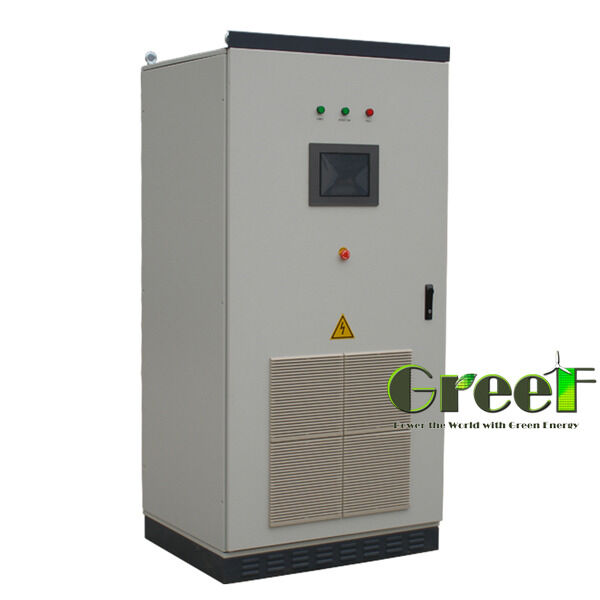
Greef offers customizable Hybrid Solar System products designed to meet your specific energy needs. Our hybrid generator combines advanced MPPT controller technology with high efficiency of 95%, ensuring optimal performance both on-grid and off-grid. This wind solar hybrid generator supports multiple interfaces including RS485, CAN, and USB for seamless integration and monitoring.
Manufactured in China and certified with CE, the Greef Hybrid System guarantees quality and reliability. We provide flexible packaging options with foam and plywooden cases to ensure safe delivery. With a minimum order quantity of just 1 set, pricing is negotiable to suit your project requirements.
The hybrid wind generator system is engineered to operate effectively at altitudes up to 4000 meters (with derating above 3000 meters), making it suitable for diverse environments. Delivery time is approximately 25 working days, and we accept various payment terms including T/T, Western Union, MoneyGram, and L/C.
Greef is committed to supplying high-quality hybrid solar systems with excellent supply ability, ensuring you receive your wind solar hybrid generator promptly and efficiently. Customize your hybrid generator today to harness the power of renewable energy tailored to your needs.
Envoyez votre demande directement à nous

